An Evaluation of a Literature Based Intervention for People with Chronic Pain
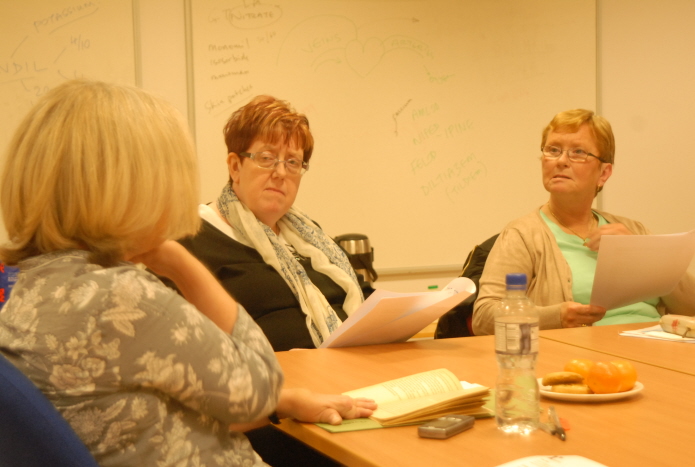 The latest research into the effects shared reading is having as a non-medical, literature based intervention into health conditions has been published by The Reader Organisation and research partners.
The study, carried out by a partnership between the Centre for Research into Reading, Information and Linguistic Systems (CRILS) at University of Liverpool and The Royal Liverpool and Broadgreen NHS Hospital Trust, investigates the impact of shared reading for people living with chronic pain when delivered in a clinical setting. As part of the research, The Reader Organisation held a regular shared reading group at Broadgreen Hospital for patients with chronic pain who had been recruited from pain clinics around the Trust.
Intital results from the study, which was examined in a seminar at last year's National Conference, have proved to show positive impacts in the relationship between shared reading, alleviation of pain symptoms and improved psychological wellbeing, with factors such as absorbed concentration upon the literature, a sense of community, comradeship and social connections being established and an enhanced quality of life all emerging for patients taking part in the group. The study follows previous research from CRILS which focused upon shared reading in relation to mental health conditions and is the first time data has been collected on physical health and a literature-based intervention.
People living with chronic pain have three times the average risk of developing psychiatric symptoms such as mood or anxiety disorders, and in turn depressed patients have three times the average risk of developing chronic pain. One of the contributing researchers, Dr Andrew Jones from Broadgreen Hospital, commented that the study gave a positive indication for patients with chronic pain:
“Early indications are showing that the reading group is making a difference to people in our hospital. But there is something intangible, a deeper impact beyond that, which we can’t measure using existing qualitative research methods. While there is already evidence of the mental health benefits of shared reading, little is known about the benefits for physical health, but the link between chronic pain and psychiatric symptoms indicate it could help."
The study contains several first-hand accounts from patients who took part, talking about their experiences of attending the group:
“It’s my little island...a safe haven...it’s very informal and comfortable”
“I don’t have pain when we are discussing or reading the story...the whole thing is read out and I don’t have any pain.”
“I’ve really, really got to concentrate...and that’s what it makes me do. It makes me concentrate and listen.”
Though more research is needed into exploring the relationship between chronic pain, reduced symptoms and a shared reading intervention, this initial study gives positive indication that further work can be established and could be extended to dialysis wards and other areas of physical health at Broadgreen and the Royal Hospitals. The shared reading group set up for the study at Broadgreen proved so popular that The Reader Organisation has been commissioned to run sessions there for the next three years.
'An Evaluation of a Literature Based Intervention for People with Chronic Pain' is now available to download on our website, where more can be found out about our research projects with CRILS: http://www.thereader.org.uk/what-we-do-and-why/research
CRILS will be at Better with a Book, The Reader Organisation's National Conference 2014, examining footage of shared reading groups in action as part of their AHRC funded research project on the cultural value of shared reading as opposed to other cultural activities. Places are still available for you to hear more about the relationship between literature, shared reading and its effects on individuals, communities and organisations at The British Library Conference Centre on Thursday 15th May: http://www.thereader.org.uk/events/conference
Share
Related Articles

We’re Hiring! Join our Front of House Team
We're hosting a Recruitment Day at the Mansion House, Calderstones Park on Tuesday 16 April as we look to expand…

Meet Jeff the Chef
Jeff Gardner is Executive Chef at The Reader and creates the delicious menus for the Cafe, Garden Parties and private…

‘I Want My Hat Back’ The Storybarn reads along with BSL
We love welcoming new friends to our magical children’s play space the Storybarn in Calderstones Park for Birthday Parties and…